Beyond Lookalike Audiences: How Household Intelligence Finds Better Prospects
Meta lookalike = black box. Household intelligence = transparent and controllable. Find 'Recent movers in £75k+ households' instead of 'people who look similar'.

The Problem with Lookalike Audiences
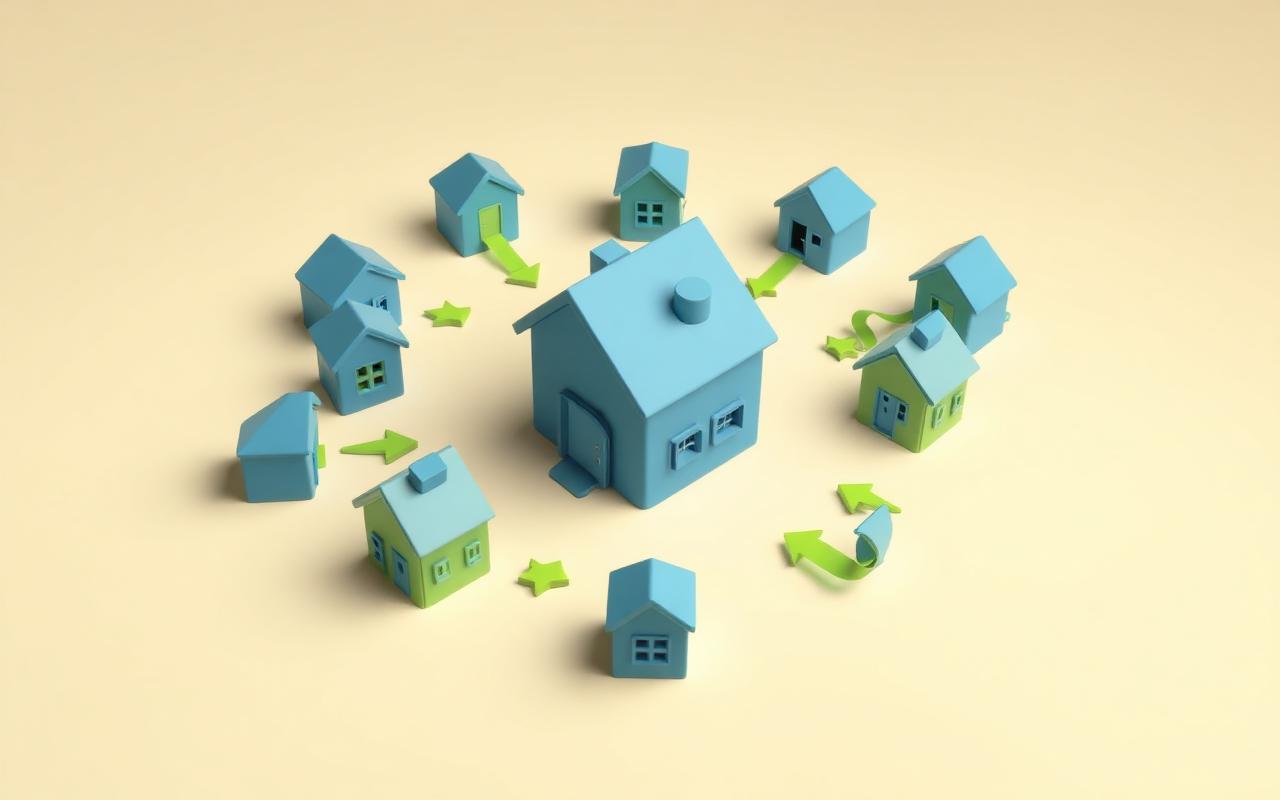
For years, Meta's lookalike audiences were the gold standard for prospecting. Upload your customer list, and the algorithm finds "people who look similar."
But here's what nobody talks about: you have no idea who those people actually are.
The algorithm is a black box. You can't see what traits it's matching on. You can't verify whether it's finding high-value prospects or just people who happen to use Facebook the same way your customers do.
And with iOS 14.5+, signal loss, and declining match rates, lookalikes are becoming less effective every quarter.
What is Household Intelligence?
Household intelligence is the opposite of a black box. It's transparent, deterministic data about who people actually are-based on where they live, how they live, and what their household looks like.
Instead of "people similar to your customers," you get:
- Recent movers in £75k+ households
- Homeowners with children aged 5-12
- Affluent renters in urban postcodes
- Families in 4+ bedroom detached properties
This isn't probabilistic guessing. It's real data about real households.
The Transparency Advantage
When you build audiences with household intelligence, you know exactly who you're targeting. You can:
- Explain your targeting to stakeholders and leadership
- Test specific hypotheses about which segments perform best
- Control for variables when analysing campaign performance
- Scale what works by finding more of the exact same audience
Build transparent prospect audiences, not black-box lookalikes
Pick from ready-made segments, Just moved, Established Professionals, High Purchasing Power, Bigger Families, and push them straight to Meta, Google or TikTok.
What Outra knows about every UK household
All attributes and segments are tied to a single identifier: the household, not an email, not a cookie.
- Employment stage
- Move stage
- Age band
- Family stage
- Occupancy status
- Property type
- Bedrooms
- Property size
- Property value band (£)
- Garden
- Garage
- Parking / Driveway
- Area type
- Region
- Purchasing power band
- Household income band
- Credit score band
- UHW (ultra-high wealth)
Building Your First Household-Based Audience
Step 1: Define your ideal customer profile
Look at your best customers. What do they have in common? Are they homeowners? Do they have children? What's their approximate household income?
Step 2: Translate to household attributes
Map those characteristics to household data points: property type, tenure, affluence band, household composition, mobility status.
Step 3: Build and activate
Create the audience in your household data platform and push it directly to Meta, Google, or TikTok via reverse ETL.
The ROI Difference
Brands using household intelligence for prospecting typically see:
- 20-40% lower CPAs compared to broad lookalikes
- Higher average order values from more qualified prospects
- Better incrementality because you're reaching genuinely new audiences
Conclusion
Lookalikes had their moment. But in a world of signal loss and declining match rates, transparent household intelligence is the future of prospecting.
Stop asking Meta to find "similar people." Start finding the right people yourself.
Read next: How Meta ad targeting actually works in 2026. And how to target a specific audience on Facebook ads without the black box.
Build transparent prospect audiences, not black-box lookalikes
Pick from ready-made segments, Just moved, Established Professionals, High Purchasing Power, Bigger Families, and push them straight to Meta, Google or TikTok.