How Household Context Improves Conversion (With the Data)
Demographic targeting averages people. Household targeting addresses them. The conversion-rate gap between the two. And where the lift comes from.

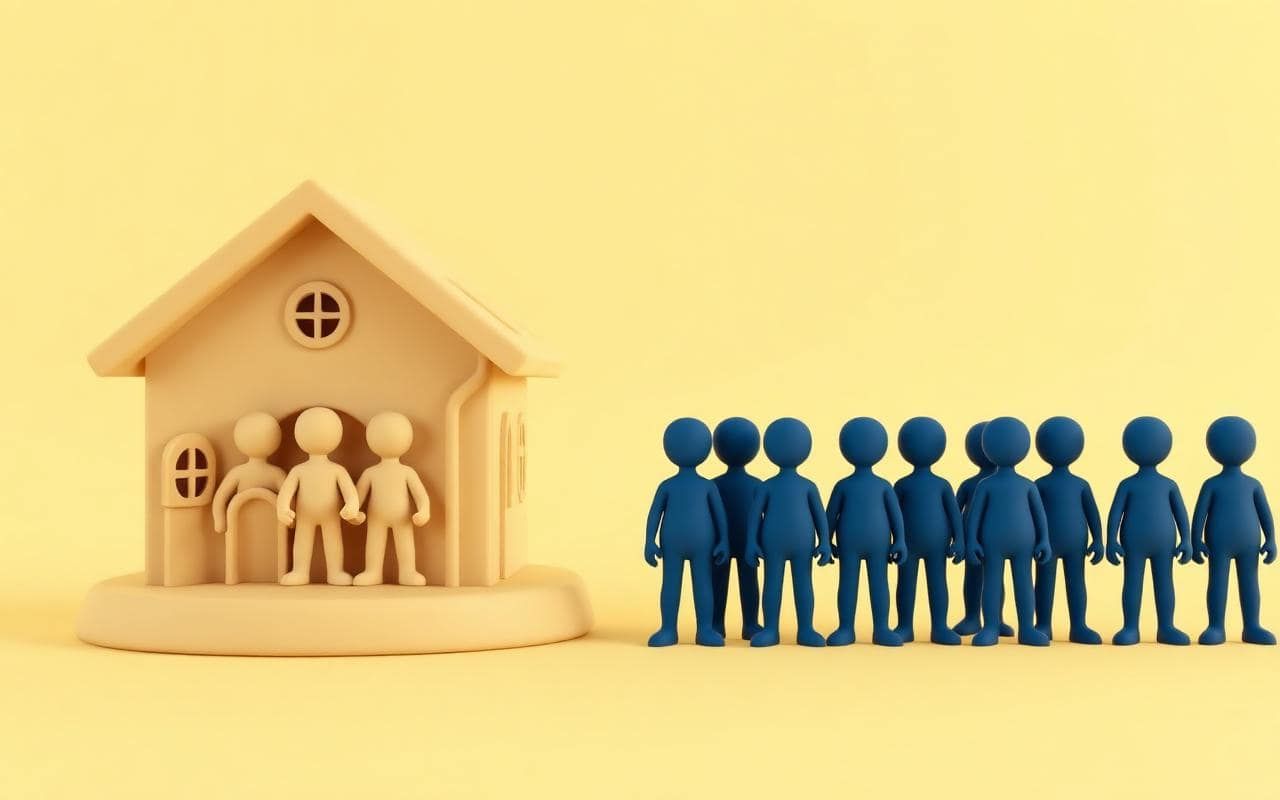
"Women 25–44, London" describes 2 million people
None of them are your customer. Some of them are. Most of them aren't. Demographic targeting is the average of a very large group. And the average is rarely the buyer.
Household context is what closes the gap between "could buy" and "will buy".
The averaging problem
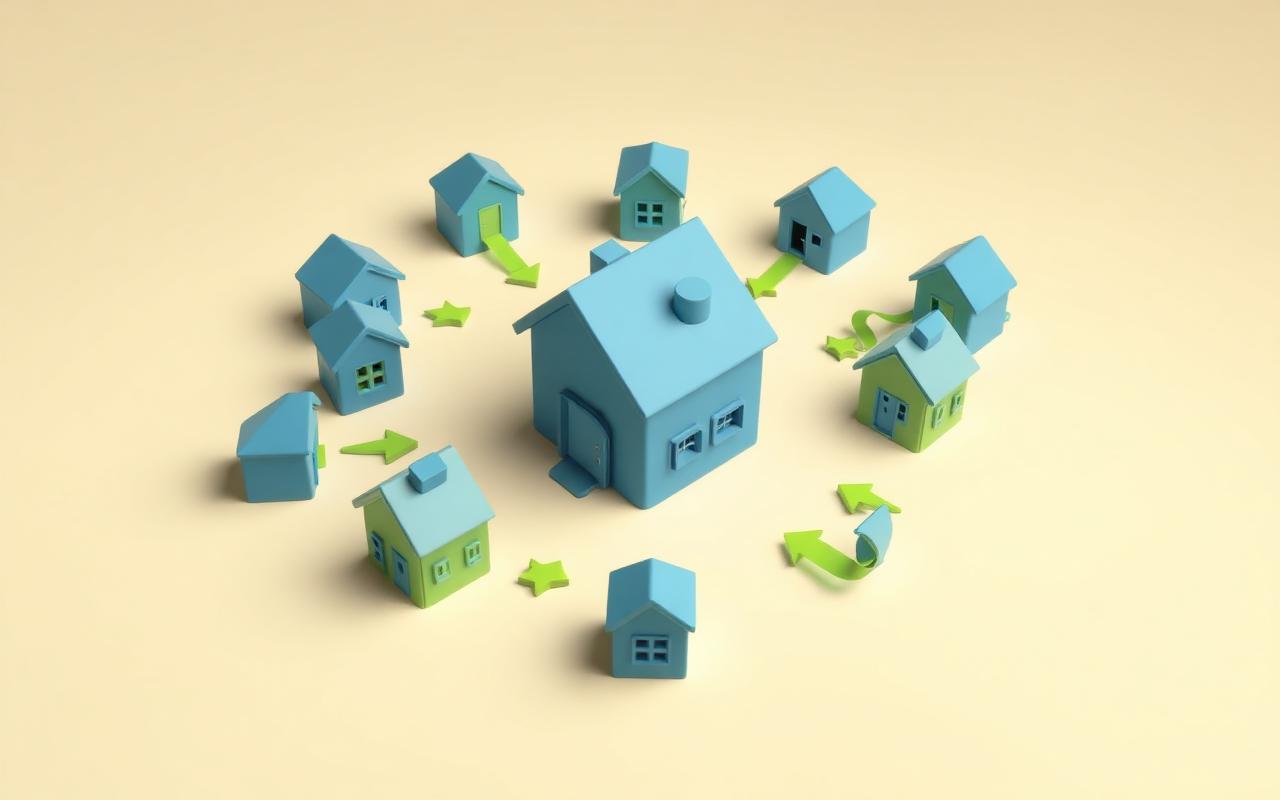
Every broad demographic segment is a mix of households with wildly different contexts: renters and owners, families and single occupants, low and high purchasing power, recently moved and long-settled. The ad you serve is the same. The fit is wildly different.
Conversion rate is the silent tax on that mismatch.
What changes when you target the household
You stop describing the person and start describing the context that surrounds the purchase:
- Owner-occupiers for property-anchored offers
- Recent movers for furniture, kitchens, energy switches
- Families with school-age children for category-specific creative
- High purchasing power bands for premium AOV products
Same ad budget. Sharper fit. Higher conversion.
Where the lift comes from
- Relevance. The offer matches the household's actual situation, not a demographic average.
- Timing. Move-stage data triggers the ad in the 6-month window where intent is highest.
- Frequency control. You suppress at the household level, not the cookie level, so you stop burning impressions on the same address.
How to measure it cleanly
Lift is easy to claim and hard to prove. The clean version:
- Hold out a matched control of the same household audience.
- Keep creative, bidding and placement constant.
- Measure CPA, AOV and incrementality across one full purchase cycle for the category.
- Compare against your current best-performing demographic or lookalike audience.
What "good" looks like
In considered, home-anchored categories, brands moving from demographic or lookalike prospecting to household audiences typically see double-digit CPA reductions and a meaningful AOV uplift. Because the audience is pre-qualified by context, not by behaviour on a platform.
For the underlying mechanic, see household intelligence explained and the activation route in reverse ETL for e-commerce.
The bottom line
Conversion isn't a creative problem dressed up as a media problem. It's a fit problem. Household context is the fastest way to fix it.
One identifier, the household, across 30M+ UK addresses
Outra resolves every customer to a household and layers Life stage, Household and Purchasing power attributes on top, deterministic, cookie-free, ready to activate.
What Outra knows about every UK household
All attributes and segments are tied to a single identifier: the household, not an email, not a cookie.
- Employment stage
- Move stage
- Age band
- Family stage
- Occupancy status
- Property type
- Bedrooms
- Property size
- Property value band (£)
- Garden
- Garage
- Parking / Driveway
- Area type
- Region
- Purchasing power band
- Household income band
- Credit score band
- UHW (ultra-high wealth)