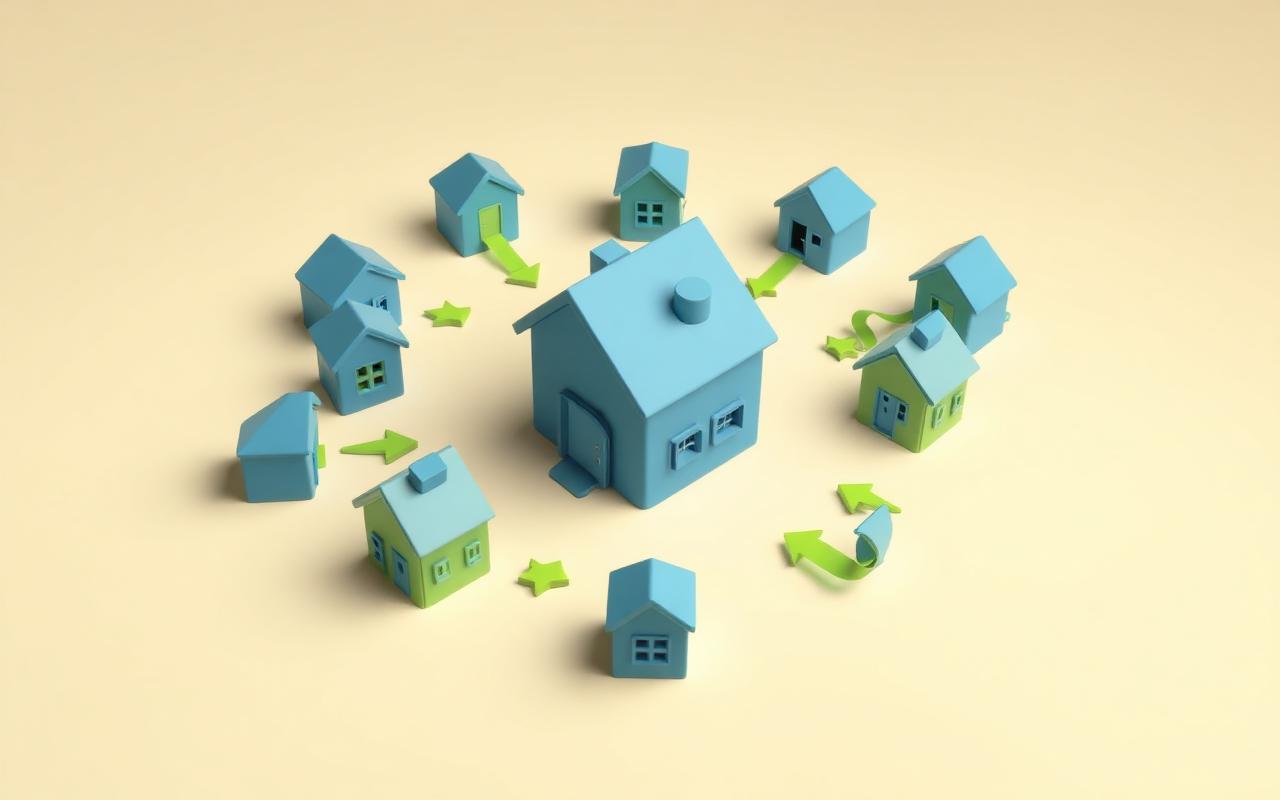
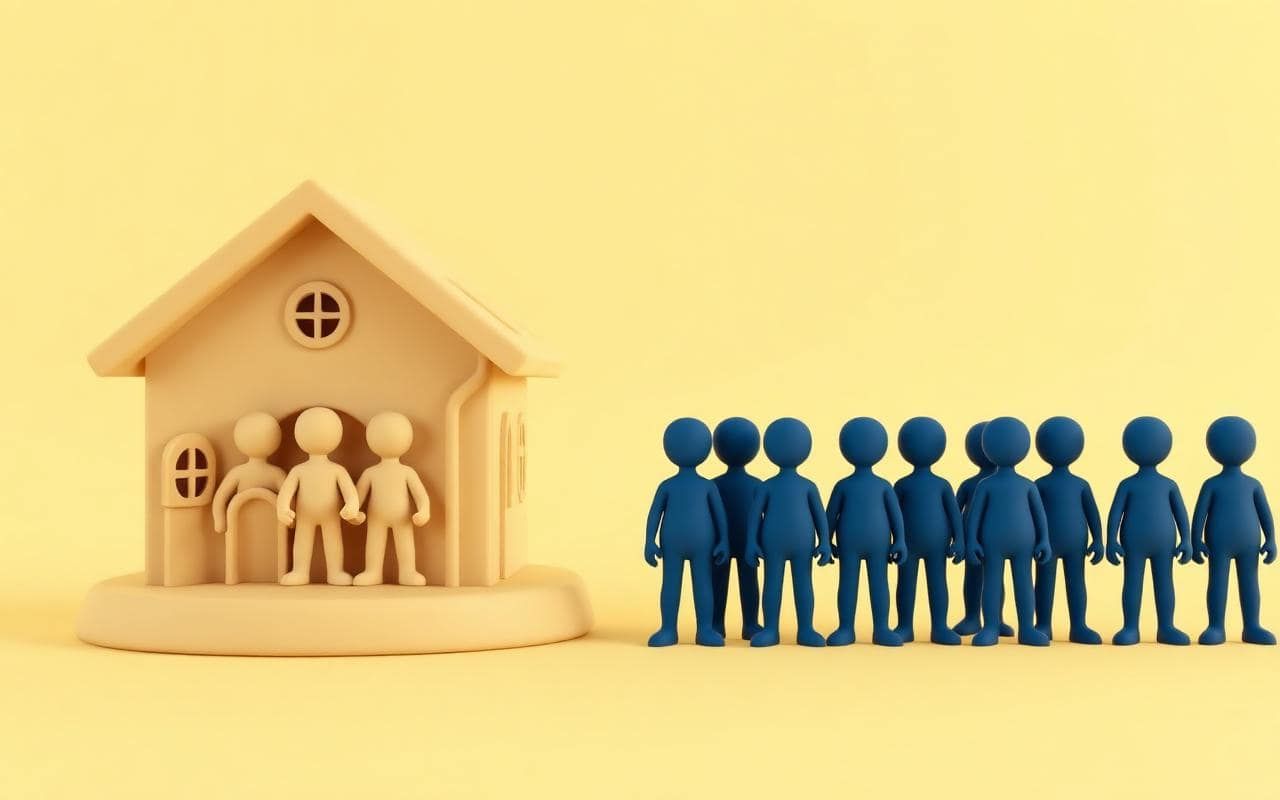
What is Household Intelligence? The Data Layer E-commerce Has Been Missing
Property type, household composition, affluence bands, and more. Understand the household intelligence data layer and how it powers modern marketing.

Introduction
For years, e-commerce marketing has relied on two types of data: first-party behavioural data (what people do on your site) and third-party tracking data (what they do elsewhere).
But there's a third layer that most brands are missing entirely: household intelligence.
This is data about who people are-not based on what they click, but based on where and how they live.
The Six Categories of Household Intelligence
1. Property Attributes
What kind of home does someone live in?
- Property type: Detached, semi-detached, terraced, flat, bungalow
- Property value: Estimated value bands (£150-200k, £500-750k, etc.)
- Tenure: Owner-occupier, private renter, social housing
- Bedrooms: 1-2, 3, 4, 5+
- Property age: Pre-war, post-war, modern, new build
2. Household Composition
Who lives in the household?
- Household size: 1, 2, 3-4, 5+
- Children: Presence, number, age ranges
- Adults: Single, couple, multi-generational
- Lifestage: Young singles, young families, mature families, empty nesters, retired
3. Affluence Indicators
What's the household's economic profile?
- Income band: Estimated household income deciles
- Spending power: Disposable income indices
- Credit profile: Propensity scores for credit products
- Financial sophistication: Investment and savings propensity
4. Lifestyle Markers
What are their interests and behaviours?
- Lifestyle segments: Pet Owners, Car owner, Multi-Car Households, New-Build Lifestyle
- Interests: Gardening, DIY, travel, technology, etc.
- Media consumption: Newspaper readership, channel preferences
- Shopping behaviour: Online vs high street, brand preferences
5. Mobility Signals
Is the household in transition?
- Recent mover: Moved in the last 3, 6, or 12 months
- Tenure length: How long at current address
- Mover propensity: Likelihood to move in next 12 months
- Move type: First-time buyer, upsizer, downsizer, renter-to-owner
6. Geographic Context
What's the neighbourhood like?
- Urbanicity: City centre, suburban, rural
- Neighbourhood affluence: Area-level income and education
- Geodemographic segment: Postcode-level classifications
- Accessibility: Transport links, amenities
How Household Data is Collected
Household intelligence comes from privacy-compliant sources:
- Property registries: Land Registry, council tax records
- Electoral roll: Publicly available voter registration data
- Survey data: Large-scale consumer surveys, aggregated and modelled
- Transaction data: Aggregated purchasing patterns (never individual-level)
- Geodemographic modelling: Statistical models based on census and postcode data
This data is deterministic and stable-unlike behavioural tracking, it doesn't depend on cookies or pixels.
Why This Matters Now
Third-Party Cookies Are Dying
Chrome's cookie deprecation (finally happening) will eliminate much of the behavioural data that powered lookalikes and retargeting.
iOS Has Already Changed Everything
ATT opt-in rates hover around 25%. Three-quarters of iOS users are invisible to behavioural tracking.
Signal Loss is Accelerating
Meta's match rates are declining. Conversion tracking is less reliable. The behavioural signals you've relied on are fading.
Household intelligence doesn't rely on tracking. It's based on stable, real-world attributes that don't change when someone clears their cookies.
Getting Started
- Understand your current data gaps: What don't you know about your customers?
- Define your use cases: Segmentation? Prospecting? Personalisation?
- Choose an enrichment partner: Look for UK-specific data, privacy compliance, and easy integration.
- Start with a pilot: Enrich a sample and measure impact before full rollout.
Conclusion
Household intelligence is the data layer that e-commerce has been missing. While everyone else scrambles to replace third-party cookies, the smartest brands are building on stable, deterministic household data.
This isn't about tracking what people do. It's about understanding who they are.
One identifier, the household, across 30M+ UK addresses
Outra resolves every customer to a household and layers Life stage, Household and Purchasing power attributes on top, deterministic, cookie-free, ready to activate.
What Outra knows about every UK household
All attributes and segments are tied to a single identifier: the household, not an email, not a cookie.
- Employment stage
- Move stage
- Age band
- Family stage
- Occupancy status
- Property type
- Bedrooms
- Property size
- Property value band (£)
- Garden
- Garage
- Parking / Driveway
- Area type
- Region
- Purchasing power band
- Household income band
- Credit score band
- UHW (ultra-high wealth)